Many animal species are threatened nowadays. Over using nature is consequence from many matters, like population growth, poverty, non-sustainable consumption and development. In the crossroads from these matters are how to protect nature and wildlife sustainable way. To use wildlife sustainably it is important to assume that there is a threshold limit of overusing the wildlife. These overusing matters are wild animal trophies, hides and skins. Using the matters, the wildlife use cannot be sustainable. The limit is existing, but it is difficult to identify. (UNEP 2016.)
To make wildlife more sustainability, it is possible, but not as long as when wildlife is exploited for economic, health, socio and cultural purposes. Exploitation of wildlife is significantly affecting to animal population and habitat. There are although, circumstances where hunting wild animals, for subsistence and commercial use, might not have so big influence to the species and animal habitat. Still the circumstances are so it is impossible to make a clear limit to be certain about it affection on the animal inhabitant. The biggest challenges in wildlife usage in sustainable way are making things worse. These are compounded because ineffective legislations, implementations of organizations and lack of understanding in wildlife dealing. (UNEP 2016.)
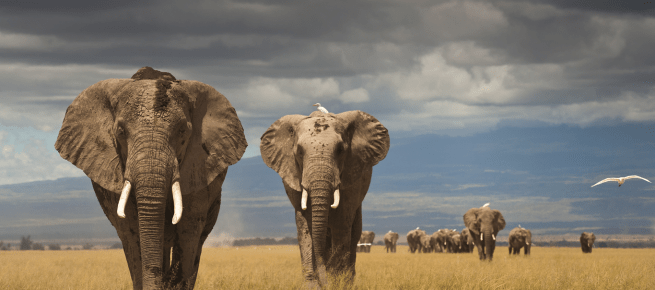
Wildlife tourism is still not always a bad thing. Nature conservation can really be assisted by tourism industry. Wildlife tourism is not all good, as said before, but it is not all bad either. The tours bring money for protecting wildlife from tourists and organizations. This is also a good way to add knowledge about wildlife and nature and the problems with them conservation. Problems in conservation can be repaired together with tourism organizations and wildlife experts. This way also rare and threatened species can be protected. Wildlife parks keep injured and orphaned animals safe from hunters, such as humans and other animals. Wildlife parks are also working against illegal collection and watching signs of other illegal activities. (Wildlife Tourism Australia 2016.)
Sources:
African Wildlife Foundation 2016. Figure. Rhinos. URL: http://www.awf.org/campaigns/poaching-infographic/. Accessed 7.12.2016
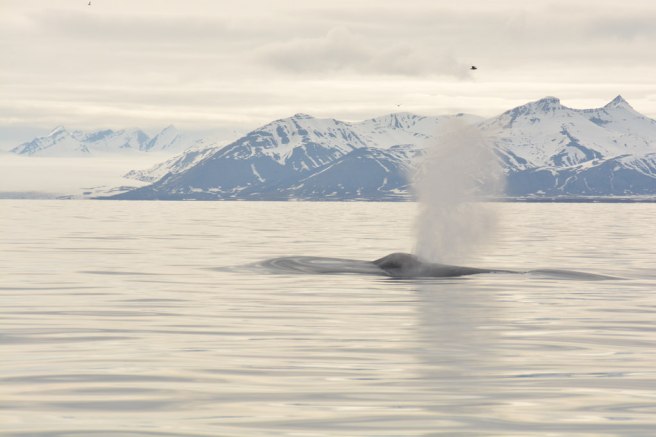
Lotta Syvänen 2016. Figure. Blue whale. URL: http://www.flickr.com/photos/lottaemiliaaaaa/27565946844/sizes/l. Accessed 7.12.2016
UNEP 2016. Sustainable Use of Wildlife. URL: http://www.unep.org/chinese/iyb/pdf/Sustainableuse.pdf. Accessed: 15.11.2016.
Wildlife Tourism Australia 2016. Can wildlife tourism really assist wildlife conservation? URL: http://www.wildlifetourism.org.au/can-wildlife-tourism-really-assist-wildlife-conservation/. Accessed 6.12.2016
 Animal ethics & Zoos