Do not support activities where you can be in contact with wild animals. This is not normal environment for wild animals and it is not natural for them to be in contact with human beings. Such an activities like hugging a lion or petting wild cats are definitely in the black list.
Do not go to swim with the dolphins. Even it might feel harmless to only to go to swim with dolphins it might be very harmful for their health. In addition, people should not go to dolphin shows. Animals are kept in captive non-natural environments and they are not allowed to live their life as meant in wild life.
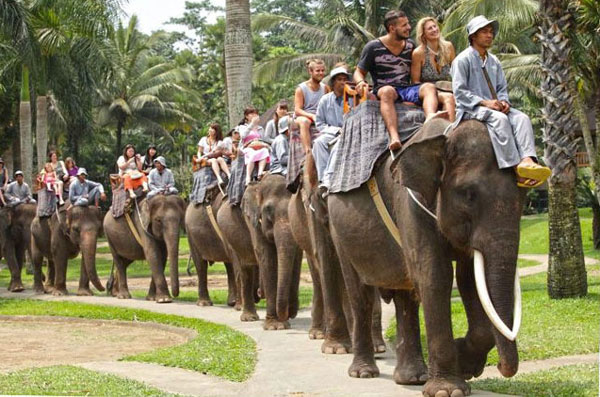
Do not ride with the elephants nor take a part in activities where you can touch them. There are lot of cruelty behind these activities. Animals are threatened badly since they are very young, they are controlled with pain and fear just that they would entertain people by carrying them or perform.
Do not pay fir activities where animals are fighting against each other’s or these shows includes any kind of fighting. Examples are bullfights, cockfights or crocodile wrestling. There animals are forced to suffer through their lives to entertain human beings.
From your vacations, do not buy things and souvenirs that are made from wild animals. Do not either eat food that has animal suffering behind it.
The world’s largest travel site TripAdvisor announced in October 2016 that it refuses to sell tickets to attractions that allow contact with captive wild animals or endangered species. TripAdvisor’s decision may have far-reaching consequences and it may prevent animal cruelty. (Liimatainen 2016.) There are thousands of tourist destinations in the world, where you can see wild animals. Some of these focus on the research and protection of endangered species, and acquire financing, for example, by means of tourism. However, some sites are only commercial, and their aim is to make a financial profit at the expense of the animals. (Napsu 2016.)
Figure 1. Elephant riding in Bali (Griyasari n.d.)
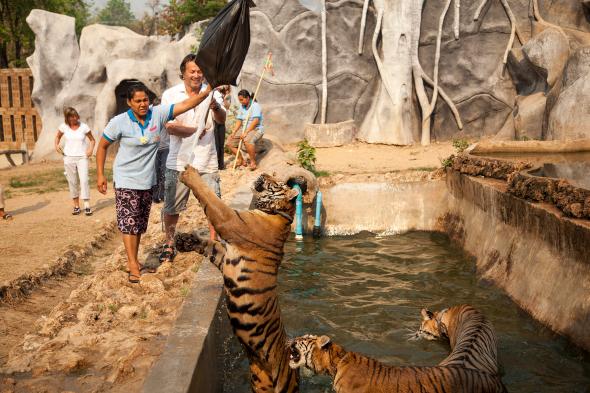
The commercial ones include for example the attractions which involve contact with animals such as swimming with dolphins, riding an elephant or petting a tiger. At such attractions, animal welfare is not always paid attention to, and animals may end up facing cruelty. Usually tourists don’t know that elephant rides and other wildlife attractions can cause harm to the animals. For example, swim-with programs are very harmful for dolphins, and most of them have been captured from the wild. Wild dolphins, in turn, are repeatedly disturbed by boats and swimmers. Also, those animal-based attractions do not always participate in the animal protection or research in any way, but instead, they are set up only for entertainment purposes. (Napsu 2016.)
Figure 2. Tiger attractions are considered among the cruelest animal-based attractions (National geographic 2016.)
From the beginning of 2017, TripAdvisor will no longer sell tickets to attractions, where the animals are forced to physical contact with people. An exception will be zoos which are established for conservation or educational purposes where visitors can, for example, feed animals under guidance of the staff for the purpose of education. However, TripAdvisor will demand such attractions to have a certificate stating that the activity is carried out according to TripAdvisor’s animal protection criteria. (Napsu 2016.) The company is also planning to introduce an educational portal that provides links and information about animal welfare policies (M&M 2016.). Even though TripAdvisor is most likely polishing its own brand, the decision may genuinely improve the better treatment of animals. (Liimatainen 2016.)
Liimatainen, K. 2016. Helsingin sanomat. Maailman suurin matkailusivusto laittaa villieläimille haitalliset turistikohteet pannaan: Merkittävä askel kohti julmuuksien lopettamista. URL: http://www.hs.fi/matka/art-2000002925229.html. Accessed 7.12.2016
GAZA zoo – Khan Younis zoo, has named to be officially the worst zoo in the world. During the 2016 The Zoo was closed and all the 15 still alive animals were rescued. Animals that died of starvation were stuffed and being showed alongside alive animals in their cages. During the rescue process, many mummified were found from the zoo. International animal welfare group Four Paws helped to close the zoo and rescue all the animals. Some rescued animals moved to South Africa and Jordan.
MUMBAI zoo, Mumbai
MUMBAI zoo – Mumbai zoo is changing from zoo to a taxidermy museum. All the animals are threatened badly, animals are led to die in their cages and after that they are “expired” they are taken to taxidermist. The zoo has 750 still living mammals, which are waiting their death. Public are given “an opportunity to appreciate animals and even to study the body structures”
TIRANA zoo, Tirana
TIRANA zoo – zoo that is located in Albania can be also described as an animal prison. Animals are living in tiny cages and or they are left in empty tile rooms. Animals are depressed and has no activities. There are no proper food for animals, medical treatments or natural environment for animals. There has not been any investments long time, which means poor, facilitates and poor life for suffering animals. In addition, there are no qualified staff available in Albania.
Kiev Zoo, Kiev
Kiev Zoo, Kiev, Ukraine- In 2007 elder Dinara bear were moved from its small enclosure where she had been living her whole life into bigger pen with sun bear Malayan. From this change Dinara got stressed and started to bang her head repeatedly against the walls spreading blood everywhere After week from that she was euthanized. More than 50 animals were died because of maltreatment, lack of medical care and proper treatment. An another case from the Kiev zoo is when 39 years old elephant named Boy were seen too fat they started to give him only water and after he loosed weight almost third of his body weight they started to give him fruits and vegetables, after all he gained weight so quickly he ended up to have an heart attack. In 2011 were announced that over half of the animals were dead in a two- years period and money for the food disappears mysteriously. There has not been any changes since that.
Surabaya Zoo, Indonesia
Media has named Surbaya zoo as a” worlds cruelest zoo”. Lot of tragedies has happened in the zoo, Between July and September in 2013 more than 40 animals died. From dead giraffe’s stomach were found 20 kilograms of plastic and tiger were fed meet layered with formaldehyde and the consequences were rotted digestive system. Animals are living in terrible conditions. Young elephant is chained from 3 legs and young lion were found hanging in his cage from steel cables.
These are not the only zoos where are bad conditions for animals. There is more zoos with lack of food, medical care, space for animals and proper care taking. These are examples of the worst zoos in the world since these zoos have been criticizes in public. There are zoos all over the world with cruelty hidden from public.
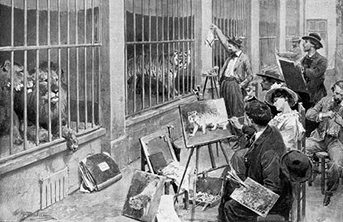
Figure 1. The first modern zoo to open in Paris 1793 (CBC 2016.)
Animal ethics and animal welfare in zoos has been discussed a lot lately in the media. However, it is not a new subject – zoos have faced criticism over the history. In the 19th and 20th century, zoos were seen an important part of an international nature conservation movement and had a significant role in researching and conserving endangered species. In the late 20th century, attitudes towards Zoos changed. Social changes aroused public concern towards threatened ecosystems and species. (Frost 2011, 1.) One of the biggest concerns of zoos at the time was that animals didn’t live very long. The zoos didn’t know much about the diets of their animals or biology and they didn’t know how to protect them from diseases. (Phillips 2015.)
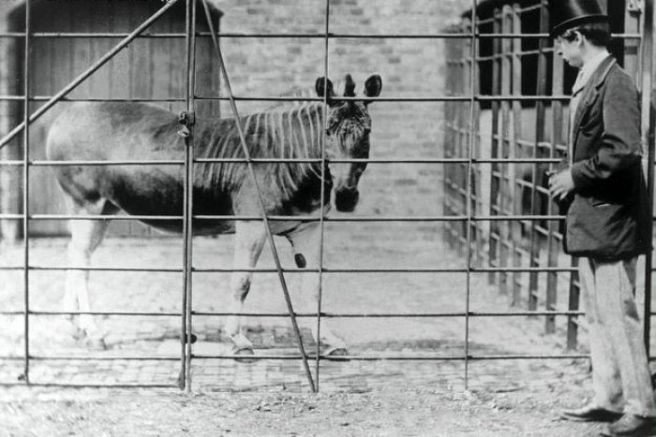
Figure 2. Quagga, a subspecies of zebra, at London zoo in the mid-1800s (ABC 2015.)
Therefore, zoos were seen as inappropriate at the time. Cramped and deprived cages were regarded as a symbol of bygone past which could no longer be accepted in modern society. Some even advocated the abolition of the zoos. The criticism led to the fact that zoos began radically change their behaviour. They made larger and more natural enclosures, with grass and plants. In addition, metal fences were replaced with glass and moats. Despite the changes, the criticism towards zoos continued. People were concerned about for example the long-term effects on animals growing up in unnatural environment. (Frost, 2011, 1-4.)
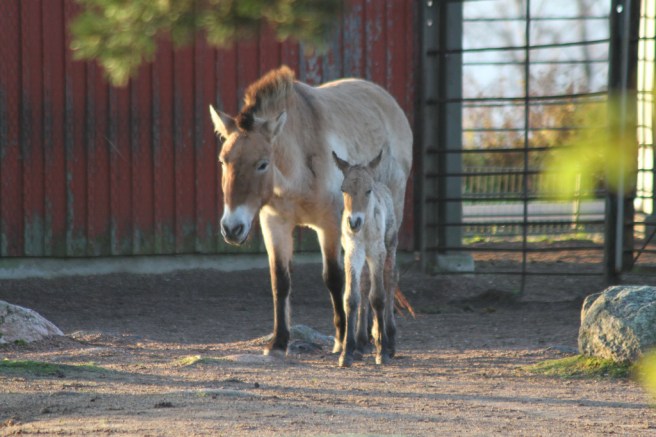
Today, zoos are seen to have a role in preventing animal extinction by their conservation and education. They aim at encouraging visitors to environmentally friendly behaviour and to protect endangered animals. They are trying to influence visitors’ behaviour by offering a combination of entertainment and education, because it is believed that the zoo experience could lead to a visitor’s desire to help the animals they encounter. (Frost 2011, 60.) By means of conservation, zoos have succeeded to save some species from extinction. Those species are for example the Père David’s Deer, the Mongolian wild horse and the California Condor. (Fennell 2012, 80.)
Figure 3. Mongolian wild horse in Korkeasaari Zoo (Korkeasaari 2016.)
However, the potential of zoos in conserving nature and animals has been questioned, since the conservation of zoos have not shown much visible results. The importance of zoos in the education area have been also criticized because the current technology effectively enables education and access to information. For example, nature documentaries offer a comprehensive amount of information about the environment and animals. (Fennell 2012, 80.)
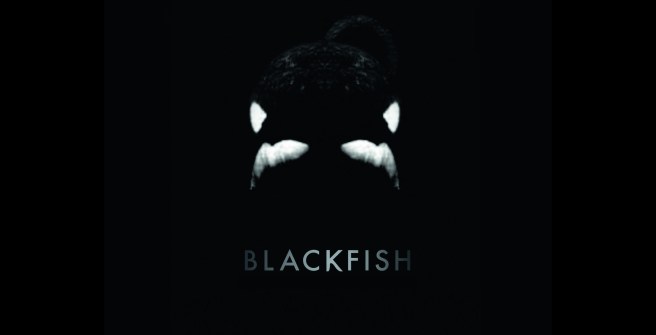
“This fascinating documentary examines the life of performing killer whale Tilikum, who has caused the deaths of several people while in captivity.” – Allflicks
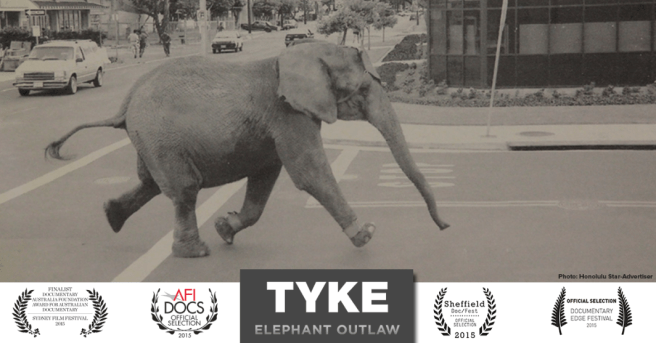
“This documentary recounts a 1994 incident in Honolulu in which a circus elephant attacked and killed its trainer, then ran loose on the city streets.” – Allflicks
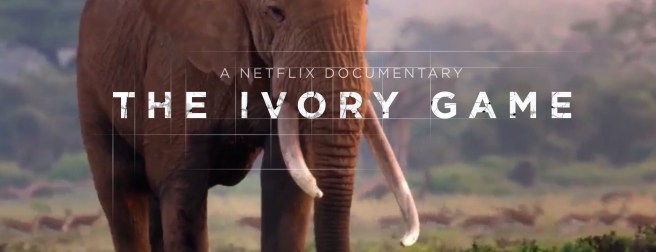
The Ivory Game
Figure 4. Poster of the Ivory Game (Easy Download 2016.)
“Filmmakers infiltrate the corrupt global network of ivory trafficking, exposing poachers and dealers as African elephants edge closer to extinction.” – Allflicks
Many animal species are threatened nowadays. Over using nature is consequence from many matters, like population growth, poverty, non-sustainable consumption and development. In the crossroads from these matters are how to protect nature and wildlife sustainable way. To use wildlife sustainably it is important to assume that there is a threshold limit of overusing the wildlife. These overusing matters are wild animal trophies, hides and skins. Using the matters, the wildlife use cannot be sustainable. The limit is existing, but it is difficult to identify. (UNEP 2016.)
To make wildlife more sustainability, it is possible, but not as long as when wildlife is exploited for economic, health, socio and cultural purposes. Exploitation of wildlife is significantly affecting to animal population and habitat. There are although, circumstances where hunting wild animals, for subsistence and commercial use, might not have so big influence to the species and animal habitat. Still the circumstances are so it is impossible to make a clear limit to be certain about it affection on the animal inhabitant. The biggest challenges in wildlife usage in sustainable way are making things worse. These are compounded because ineffective legislations, implementations of organizations and lack of understanding in wildlife dealing. (UNEP 2016.)
Wildlife tourism is still not always a bad thing. Nature conservation can really be assisted by tourism industry. Wildlife tourism is not all good, as said before, but it is not all bad either. The tours bring money for protecting wildlife from tourists and organizations. This is also a good way to add knowledge about wildlife and nature and the problems with them conservation. Problems in conservation can be repaired together with tourism organizations and wildlife experts. This way also rare and threatened species can be protected. Wildlife parks keep injured and orphaned animals safe from hunters, such as humans and other animals. Wildlife parks are also working against illegal collection and watching signs of other illegal activities. (Wildlife Tourism Australia 2016.)
Figure 1. Guide how to travel sustainable (Sides of Tourism 2016.)
What is sustainability? Why to even try to make sustainable choices?
Sustainable development is using sustainable ways while acting. These ways are using natural resources so nature will not be harmed incurable way and making sure while doing things no one’s human rights will not be taken away. Sustainable development is separated in many subspecies, like environmental, social & cultural and economic development. Figure 1 shows different ways how to make sustainable choices. (Sachs 2015, 1-4.)
Sustainable development is important because world’s population has grown to seven billion humans. This makes sustainability more important because all the human beings try to upgrade their living standard. Humans, and all living species, need water and food, which comes from the nature. Nature is lifeblood for human beings. Nature is not protected enough, when thinking how important it is for everything in the world. Nature is not only one in a bad position but also humans are unequal. (Sachs 2015, 1-4.)
Some humans live plenty, when some are trying to find food and clean water. World economy controls all of this and it creates a risk for the world economy. To make this entire end up good is the reason for sustainable development. Sustainable development gives goal that the world is trying to achieve. If world will achieve those goals, there will be no more of world hunger or poverty, human rights are working everywhere and nature will be safe from incurable destroying. (Sachs 2015, 1-4.)
What is sustainable tourism?
Sustainable tourism is defined to be same as sustainable development, but just applied to tourism. In practical terms, this means tourists need to implement their own wants and needs in a way which leaves future generations options to implement their wants and needs as well. Tourism is growing industry and it has to consider ways to make it more sustainable. To make the tourism more sustainable, then environment will not be harmed permanently. Sustainable tourism gives also good living conditions for locals in the destination and for the tourists. (Committee of the Regions 2006, 31–35.)
European Union is aiming for sustainable tourism as a default. This way tourist should not need to find out himself about destinations, but all the destinations would be sustainable. This way also would be possible to slow down the climate changes. To make this happen, all the actors and organizations in the tourism business will need to work together and aim for more sustainable tourism. This is an aim where all industries should work for, but especially tourism. (Committee of the Regions 2006, 31–35.)
Conclusion
Sustainable tourism is important, the whole sustainability is. If people will not start living more sustainable ways, the humans lifeblood, nature, will fade away. Like said nature is important for all the breathing species, including humans. Starting to make sustainable choices is not hard, everyone should start with small changes. Nobody expects to change whole lifestyle over night, but with small changes, it is possible to become permanently sustainable.
Sources:
Committee of the Regions 2006. Sustainable Tourism as a Factor of Cohesion Among European Regions. European Communities. Belgium.
Sachs, J. D. 2015. The Age of Sustainable Development. Columbia University Press. New York.

 Animal ethics & Zoos