
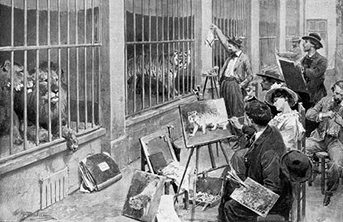
Animal ethics and animal welfare in zoos has been discussed a lot lately in the media. However, it is not a new subject – zoos have faced criticism over the history. In the 19th and 20th century, zoos were seen an important part of an international nature conservation movement and had a significant role in researching and conserving endangered species. In the late 20th century, attitudes towards Zoos changed. Social changes aroused public concern towards threatened ecosystems and species. (Frost 2011, 1.) One of the biggest concerns of zoos at the time was that animals didn’t live very long. The zoos didn’t know much about the diets of their animals or biology and they didn’t know how to protect them from diseases. (Phillips 2015.)
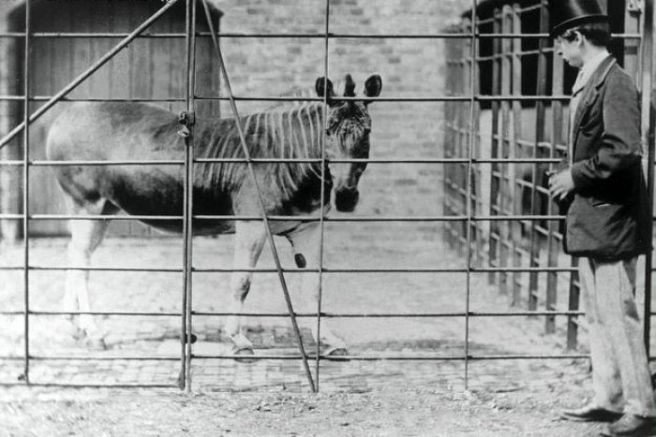
Therefore, zoos were seen as inappropriate at the time. Cramped and deprived cages were regarded as a symbol of bygone past which could no longer be accepted in modern society. Some even advocated the abolition of the zoos. The criticism led to the fact that zoos began radically change their behaviour. They made larger and more natural enclosures, with grass and plants. In addition, metal fences were replaced with glass and moats. Despite the changes, the criticism towards zoos continued. People were concerned about for example the long-term effects on animals growing up in unnatural environment. (Frost, 2011, 1-4.)
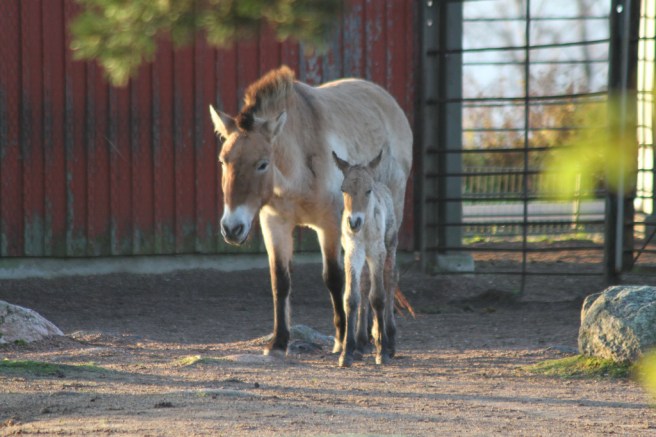
Today, zoos are seen to have a role in preventing animal extinction by their conservation and education. They aim at encouraging visitors to environmentally friendly behaviour and to protect endangered animals. They are trying to influence visitors’ behaviour by offering a combination of entertainment and education, because it is believed that the zoo experience could lead to a visitor’s desire to help the animals they encounter. (Frost 2011, 60.) By means of conservation, zoos have succeeded to save some species from extinction. Those species are for example the Père David’s Deer, the Mongolian wild horse and the California Condor. (Fennell 2012, 80.)
However, the potential of zoos in conserving nature and animals has been questioned, since the conservation of zoos have not shown much visible results. The importance of zoos in the education area have been also criticized because the current technology effectively enables education and access to information. For example, nature documentaries offer a comprehensive amount of information about the environment and animals. (Fennell 2012, 80.)
Sources:
ABC 2015. Figure. Quagga. URL: http://www.abc.net.au/radionational/programs/rearvision/the-ethical-history-of-zoos/6869776. Accessed 7.12.2016
CBC 2016. Doc Zone. Figure. The first modern zoo. URL: http://www.cbc.ca/doczone/features/history-of-zoos. Accessed: 7.12.2016
Fennell, D, 2012. Tourism and animal ethics. Routledge. New York.
Frost, W. 2011 Zoos and tourism: conservation, education, entertainment? Channel View Publications.
Korkeasaari 2016. Figure. Mongolian wild horse. URL: http://www.korkeasaari.fi/elain/mongolianvillihevonen/. Accessed 7.12.2016
Phillips, K. 2015. ABC. The ethical evolution of zoos. URL: http://www.abc.net.au/radionational/programs/rearvision/the-ethical-history-of-zoos/6869776. Accessed: 7.12.2016
 Animal ethics & Zoos